Мирон Кордуба та Михайло Грушевський у міжвоєнний час: особливості взаємин / Т. Батюк // Проблеми гуманітарних наук: Збірник наукових праць Дрогобицького державного педагогічного університету ім. Івана Франка. Серія "Історія". – 2023. – Вип.12 (54). – C. 156–172.
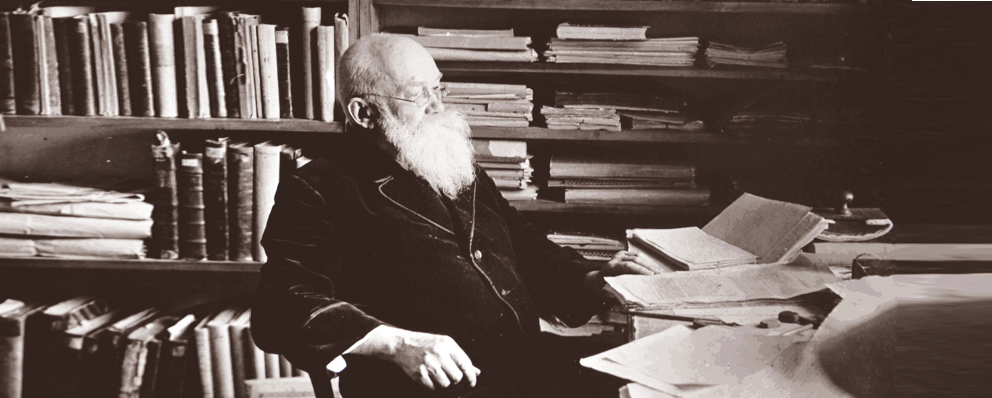
Мета дослідження полягає у всебічній реконструкції особистісних і професійних взаємин М. Кордуби та М. Грушевського у міжвоєнний час. Методологія дослідження спирається на традиційне для історіографічних праць поєднання принципів (історизму й об’єктивності) і методів (загальнонаукових та спеціально-історичних) наукової праці. Наукова новизна статті полягає у спробі комплексного відтворення творчих контактів М. Кордуби та М. Грушевського протягом міжвоєнного двадцятиліття. Висновки. У підсумку відзначено суттєву відмінність моделей взаємин двох учених на зламі ХІХ–ХХ ст. і у міжвоєнний час. Так, у першому окресі переважала виховна парадигма, а в спілкуванні виразно домінував харизматичний Грушевський-наставник. Натомість у досліджуваний період ми бачимо вповні партнерський діалог, сповнений шанобливого взаємовизнання, фахового взаємозбагачення і розуміння однакової зацікавленості у співпраці. Натомість найбільш продуктивні моменти попередньої моделі товариського спілкування набули трансформації у 1920-ті рр. Йдеться, з одного боку, про учнівське розуміння лідерського статусу старшого колеги, необхідності всебічно асистувати йому в численних проєктах та важливості популяризувати багатоаспектне вчителеве служіння своєму народові на національному і міжнародному рівнях. З іншого, збереглася вчителева потреба у всебічній опіці молодшого колеги – фінансовій, інституційній та науковій. М. Грушевський не лише матеріально підтримав М. Кордубу, але й уможливив йому реалізацію власних наукових проєктів. Історіографічні здобутки учня стали підставою для його членства в очолюваних учителем історичних структурах ВУАН (Історична секція, Науково-дослідна кафедра історії українського народу, Археографічна комісія). У підсумку постав до певної міри унікальний в українській інтелектуальній історії творчий тандем, чий поважний науковий доробок є важливою складовою культури доби Розстріляного Відродження.
The purpose of the research is to comprehensively reconstruct the personal and professional relationships between M. Korduba and M. Hrushevskyi in the interwar period. The research methodology is based on the combination of principles (historicism and objectivity) and methods (general scientific and special historical) of scientific work, traditional for historiographic works. The scientific novelty of the article is in an attempt to comprehensively reproduce the creative contacts of M. Korduba and M. Hrushevsky during the interwar twenty years. Conclusions. The author analyzes significant difference in the models of relations between the two scientists at the turn of the 19th and 20th centuries and in the interwar period. Thus, in the first part, the educational paradigm prevailed, and the charismatic teacher Hrushevsky clearly dominated communication. Instead, in the studied period, we see a full partnership dialogue, full of respectful recognition, professional mutual enrichment and understanding of the same interest in cooperation. However, the most productive moments of the previous model of social communication were transformed in the 1920s. On the one hand,it is about the student's understanding of the leadership status of a senior colleague, the need to comprehensively assist him in numerous projects and the importance of popularizing the multifaceted teaching service to his people at the national and international levels. On the other hand, the teacher's need for comprehensive care of a younger colleague - financial, institutional and scientific - remained. M. Hrushevsky not only financially supported M. Korduba but also enabled him to implement his own scientific projects. The student's historiographic achievements became the basis for his membership in the teacher-led historical structures of the Ukrainian Academy of Sciences (Historical Section, Scientific Research Department of the History of the Ukrainian People, Archaeological Commission). As a result, a creative tandem appeared, unique to a certain extent in Ukrainian intellectual history, leaving a heritage that became an important component of the Executed Renaissance era.








 Бібліотека
 адреса матеріалу:

 Попередній перегляд: